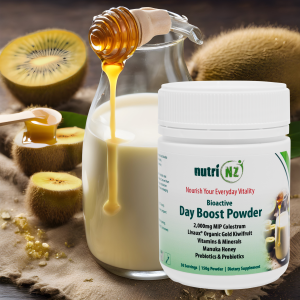
Have you ever heard of colostrum? It is the nutritive milk secreted by the mammary glands in late pregnancy and during the first few days of lactation. MIP Colostrum is packed with immunoglobulins, growth factors, and other protective substances that support your baby’s health. But that’s not all. Colostrum also contains high levels of glutathione, a powerful antioxidant that helps protect your body from free radicals and supports overall health.
So, is colostrum your natural glutathione source? Let’s find out!
What is Glutathione?
Glutathione is a naturally occurring molecule found in the cells of all living organisms. It comprises three amino acids: cysteine, glutamic acid, and glycine.
- Cysteine: The only amino acid containing sulphur, essential for glutathione production.
- Glutamic Acid: An important neurotransmitter that helps regulate brain function.
- Glycine: Aids in protein synthesis and fat metabolism.
Glutathione plays a crucial role in our health and well-being. This molecule acts as an antioxidant, neutralizing harmful free radicals and preventing damage to cells. It also helps detoxify the liver, supports immune function, and slows aging. Low levels of glutathione have been linked to diseases such as cancer, Alzheimer’s, and diabetes. While our bodies produce glutathione naturally, supplementing with additional sources can help maintain optimal levels for overall health and wellness.
The Role of Glutathione in Health
Glutathione, often dubbed the master antioxidant, plays several critical roles:
- Formation of Red and White Blood Cells: Essential for immune function.
- Building Cofactors for Peroxidases: Crucial for cellular protection.
- Defence Against Harmful Bacteria: Enhances immune response.
- Preventing Inflammation: Protects polyunsaturated fats and reduces oxidative stress.
Understanding Free Radicals
Free radicals are small, unstable molecules that can cause significant damage to cellular structures, including DNA, proteins, and cell membranes. They are highly reactive and can overwhelm the body’s defence mechanisms, leading to various diseases and disorders.
Research indicates that lower immune functionality and increased susceptibility to infections caused by free radicals reduce the body’s coping mechanism, making it vulnerable to major diseases. Balancing antioxidants and free radicals is crucial for smooth bodily function and disease prevention.
The Impact of Free Radicals on Health
Free radicals, due to their unstable nature, can cause oxidative stress, leading to cellular damage and chronic diseases. Oxidative stress occurs when there is an imbalance between free radicals and antioxidants, resulting in damage to lipids, proteins, and nucleic acids.
Bruce Ames, a renowned scientist in antioxidant studies, demonstrated that a single human cell encounters approximately 10,000 free radicals per day. This constant collision can lead to significant cellular deterioration and contribute to aging and various health issues.
Oxidative Stress and Aging: Are You at Risk?
Excessive oxidative stress disrupts the body’s normal functions, causing cardiovascular diseases, cancers, autism, Parkinson’s and Alzheimer’s diseases, arthritis, and other long-term health issues. The free radical theory of aging associates free radical proliferation with aging, suggesting that increased free radicals lead to cellular deterioration and premature aging.
Dietary measures can help re-balance antioxidants in the body, reducing oxidative stress. Recommended dietary allowances (RDA) suggest consuming antioxidant-rich foods, such as vitamins and beta-carotene, to counteract the effects of free radicals.
Is Colostrum Your Natural Glutathione Source?
Colostrum is one of the few natural sources of glutathione. As we age, healthy glutathione levels decline, making it essential to obtain glutathione from dietary sources. Colostrum, a natural source of glutathione precursors, supports the immune system and detoxification processes.
Dietary Recommendations and Other Useful Suggestions
To strengthen the immune system and combat free radicals, consider incorporating the following nutrients into your diet:
- Zinc-rich Foods: Oysters, nuts, seafood, dairy products, beans, red meat, and poultry.
- Antioxidant Vitamins and Minerals: Include vitamins C, E, and beta-carotene.
However, it is crucial to avoid excessive intake, as it can exhaust enzymatic processes and adversely affect immunity. A moderate approach is recommended by medical experts to maintain optimal health without overloading the body.
MIP Colostrum: What Does It Offer?
MIP Colostrum offers a unique solution to fulfil all your glutathione needs. It provides beneficial nutrients for optimal health and long-term protection against damaging free radicals. Here are some key benefits of MIP Colostrum:
- Biological Stability: Supports overall health with balanced nutrients.
- Antioxidant Supply: Provides a natural source of antioxidants without exceeding bodily requirements.
- Endorsed by Top Athletes: Guarantees vitality, strength, and faster recovery.
- Immune Support: Fights bacteria, viruses, and parasites.
- Digestive Health: Improves digestion and bowel function.
- Injury Recovery: Aids in faster recovery from sports injuries and accidents.
- Stronger Tissues: Promotes the development of stronger tissues.
Conclusion
Colostrum is a powerful natural source of glutathione, offering numerous health benefits. Incorporating MIP Colostrum into your diet can help maintain optimal glutathione levels, support your immune system, and protect against oxidative stress. Choose MIP Colostrum for a natural boost to your health and vitality. Order now and experience the transformative power of colostrum for yourself!